Live Music as Economic Infrastructure: What We’ve Learned
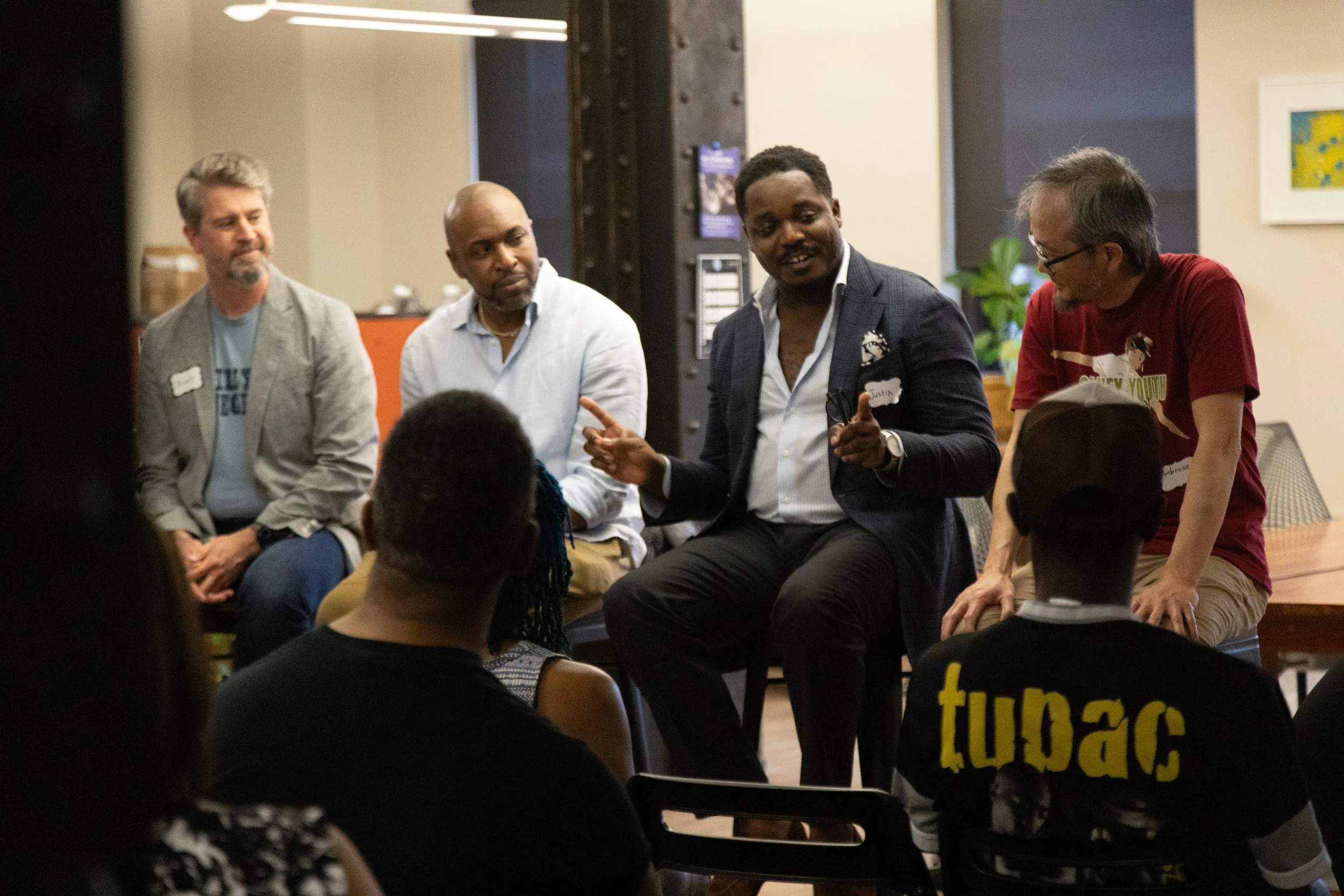
Photos by Shameka Sawyer, 5 Shorts Project
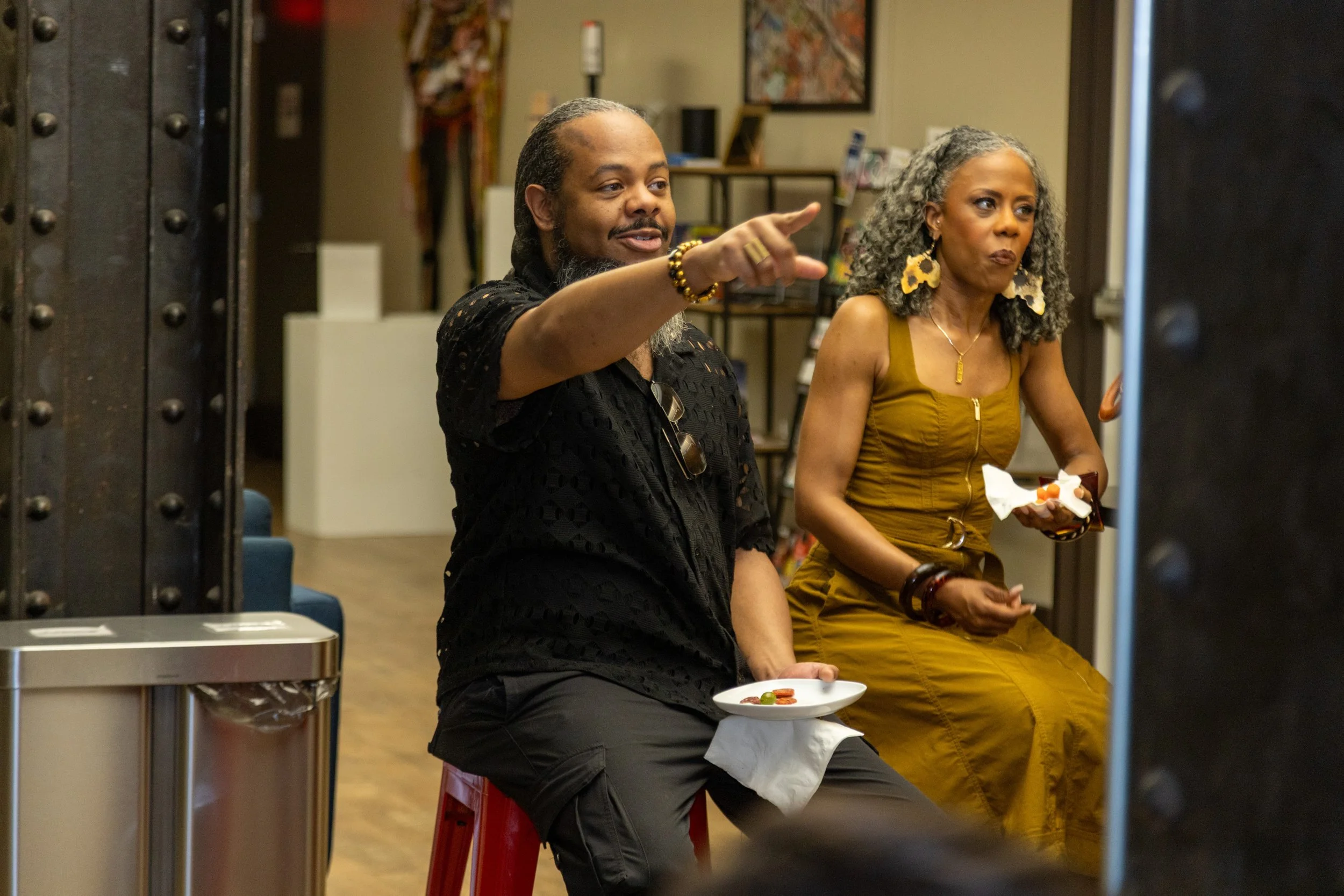
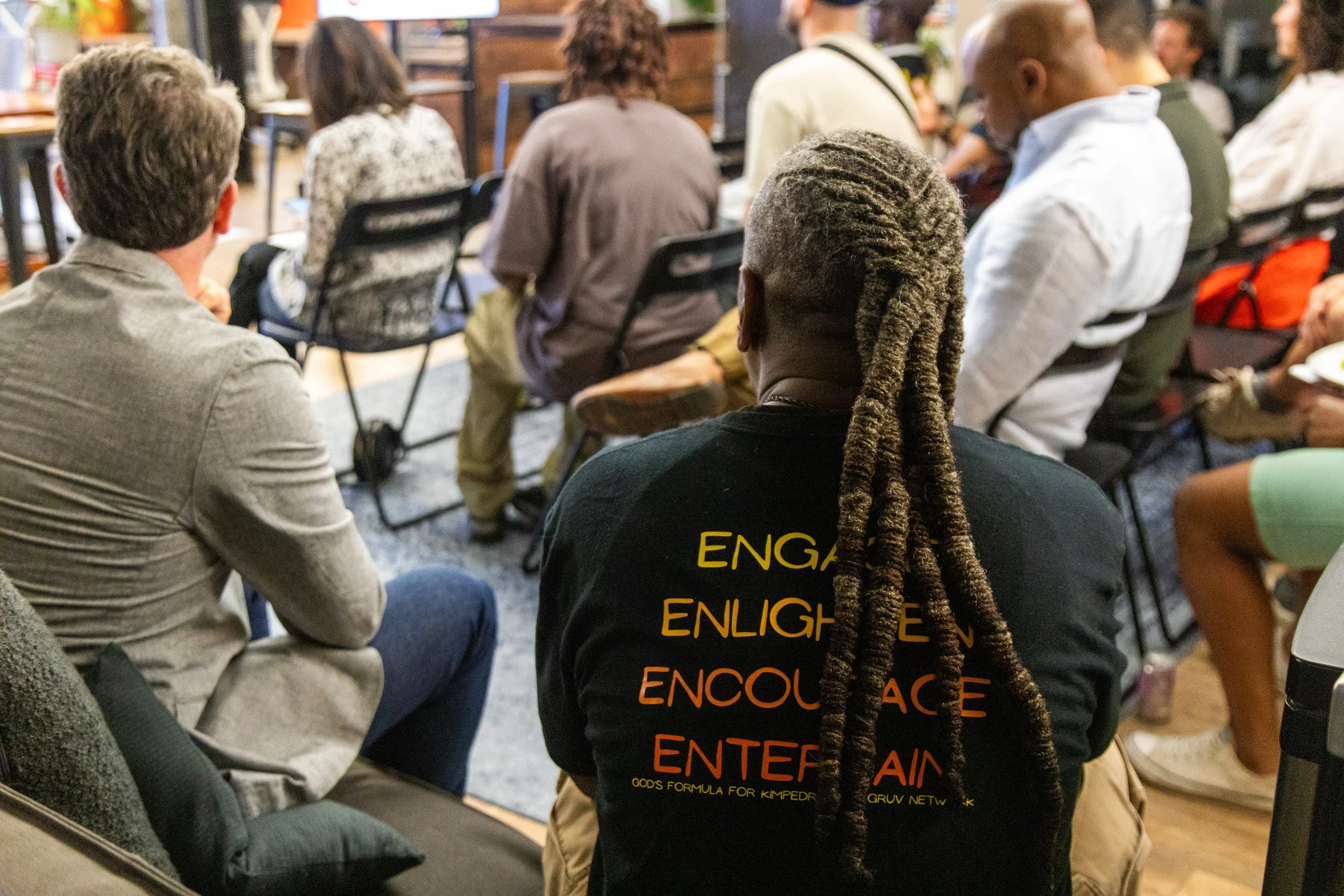
On April 16, CultureWorks Greater Philadelphia convened experts for Third Thursday: Live Music and Economic Development, a conversation rooted in a simple but urgent idea: live music is not just culture—it’s infrastructure.
Across cities, music scenes don’t just entertain. They drive local economies, activate small businesses, shape neighborhood identity, and create pathways for creative labor to sustain itself. Philadelphia is no exception—but sustaining that ecosystem requires intention.
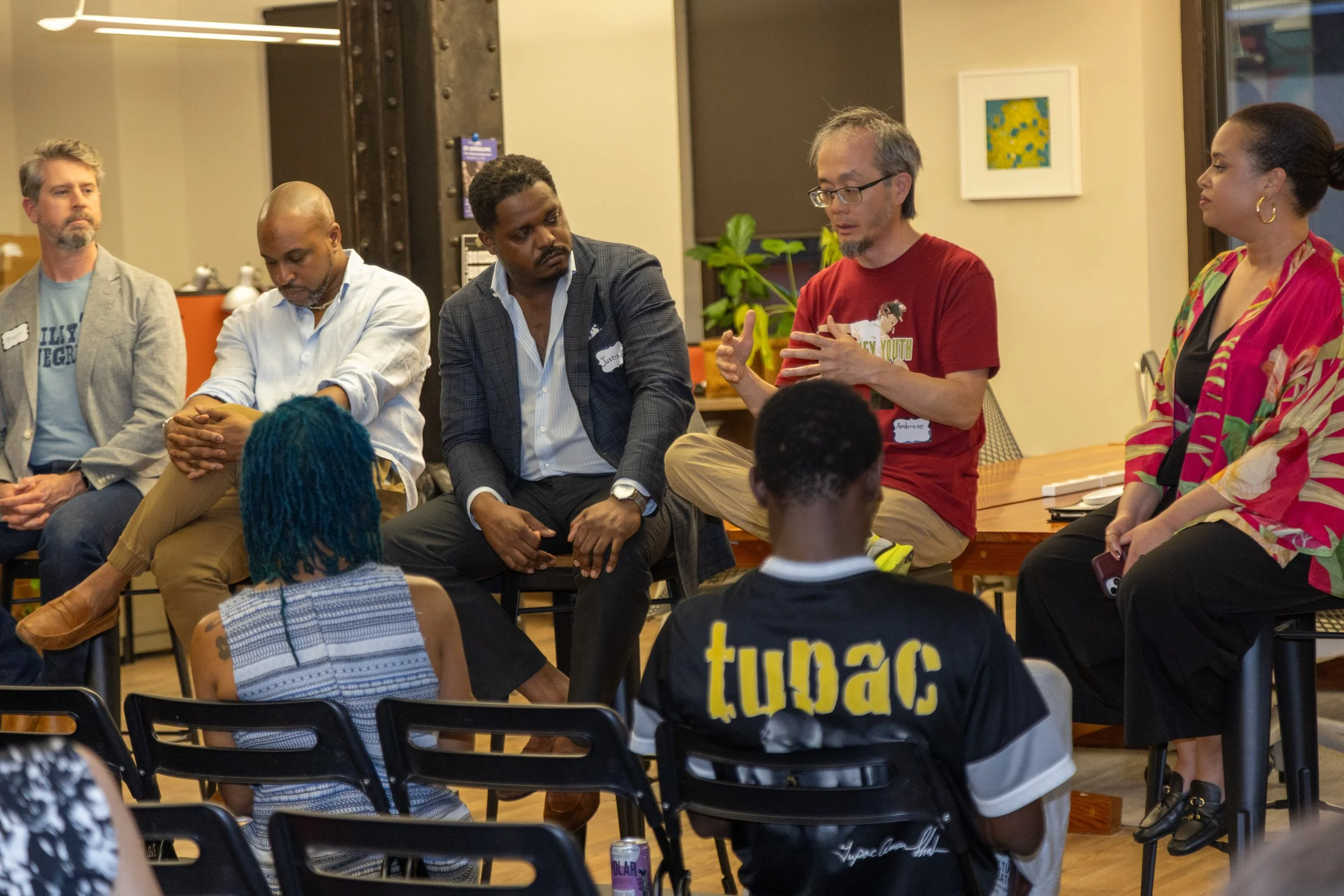
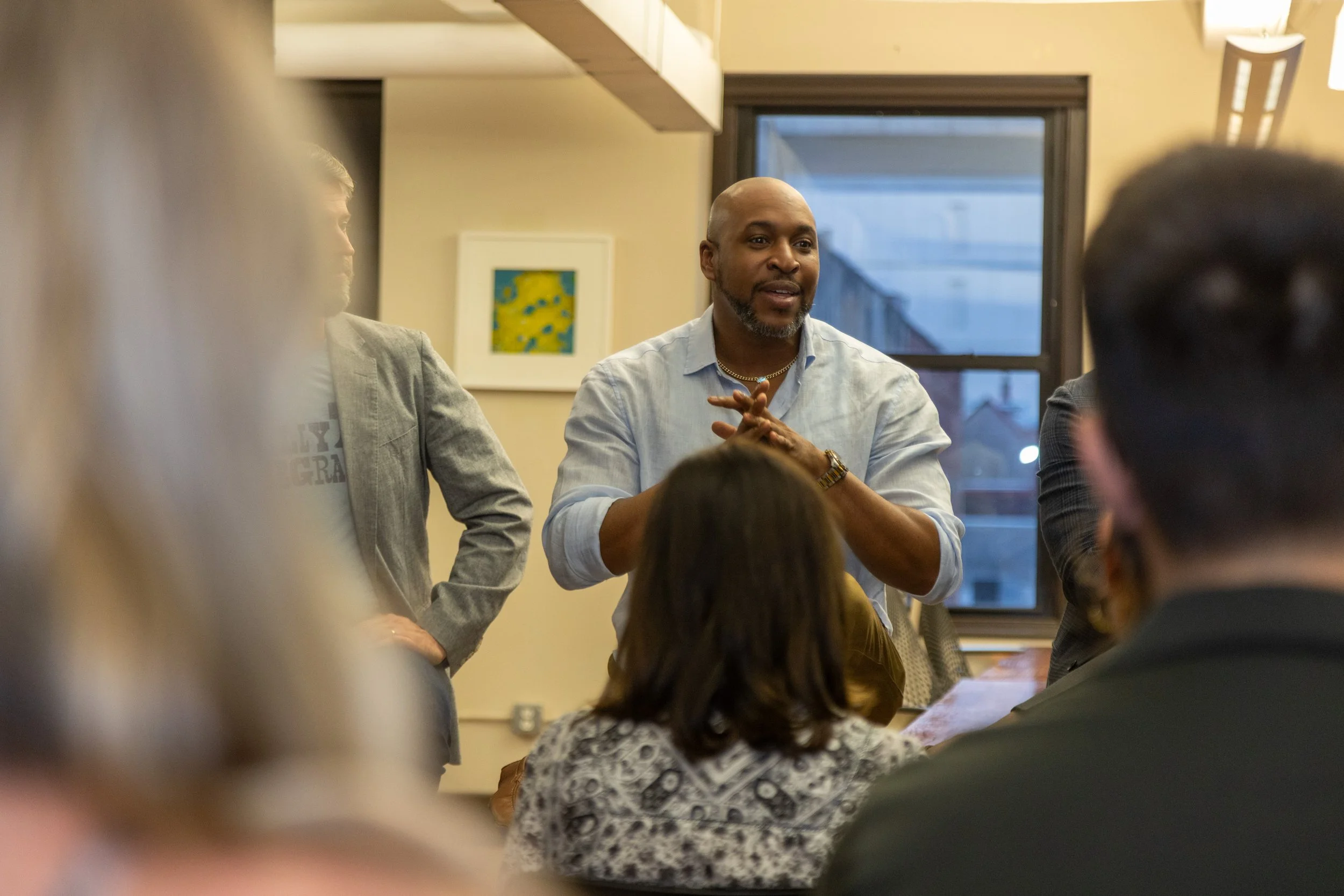
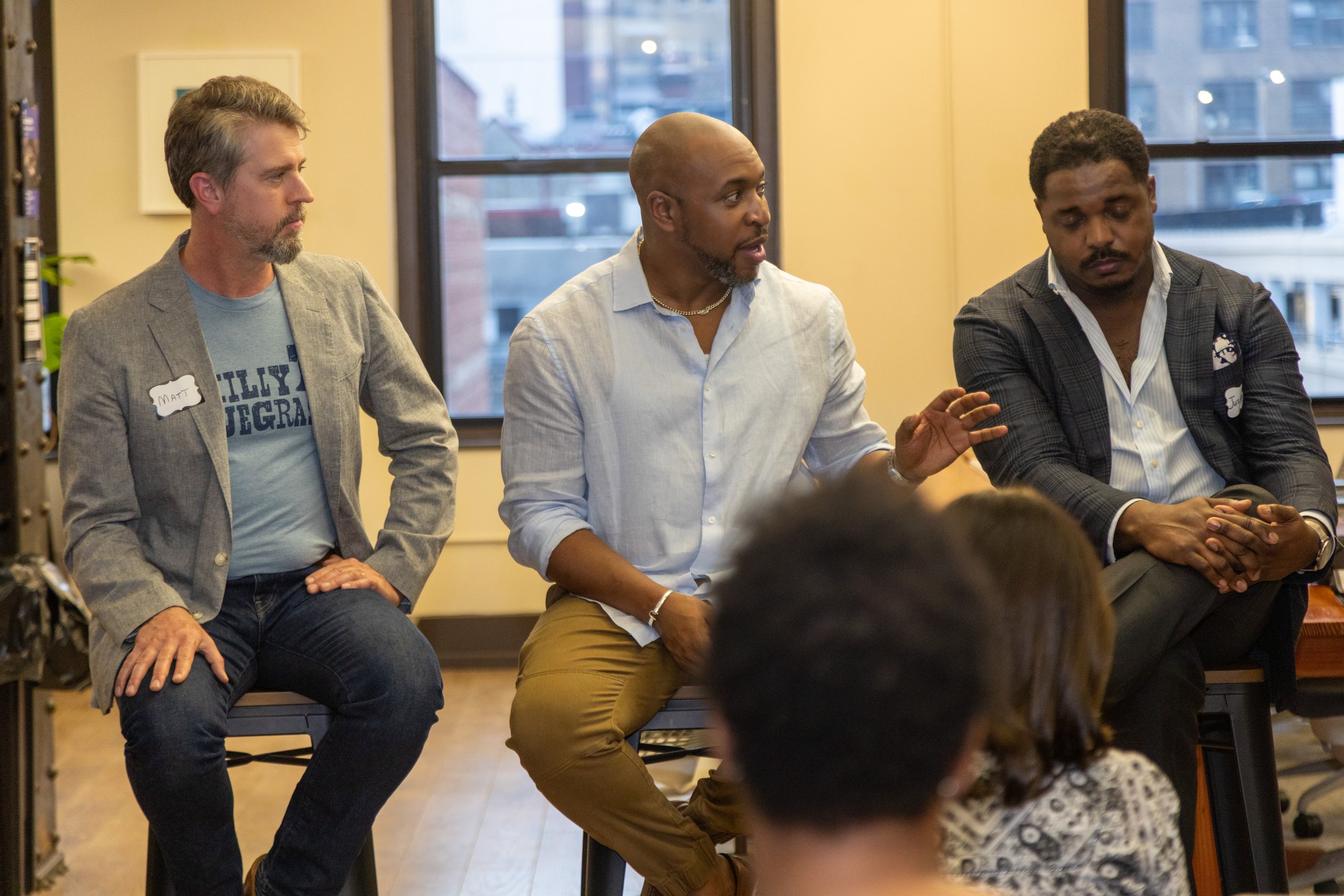
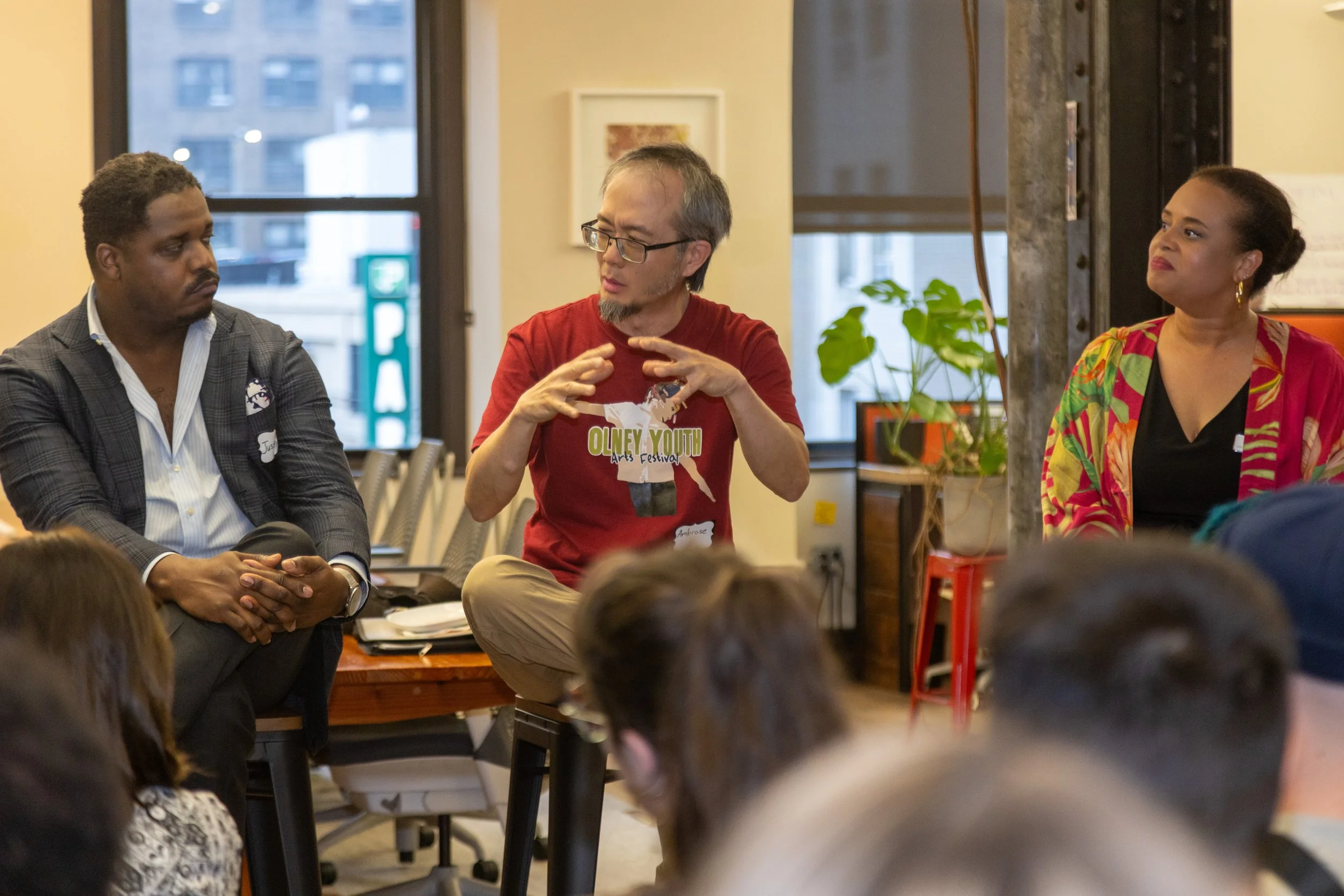
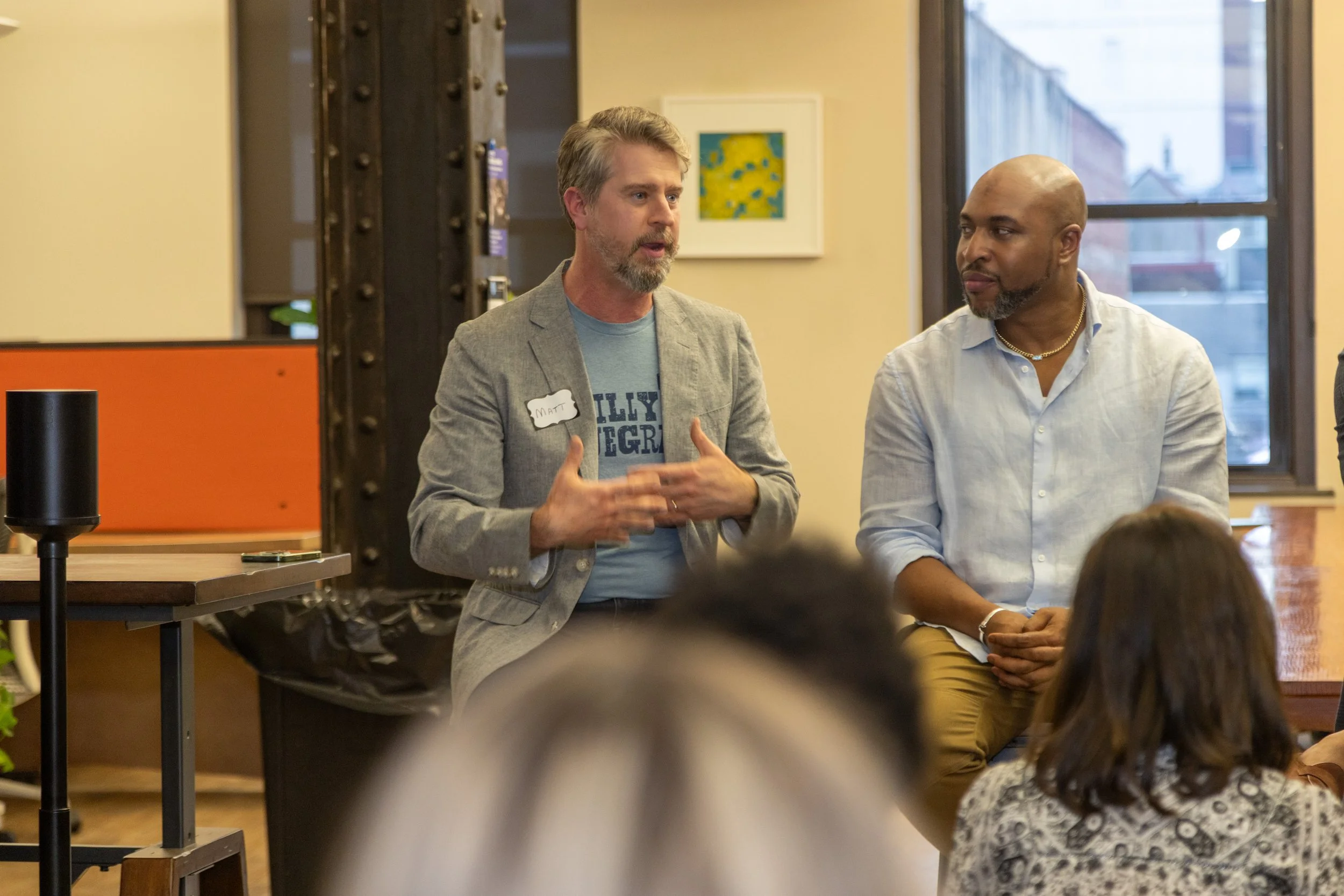
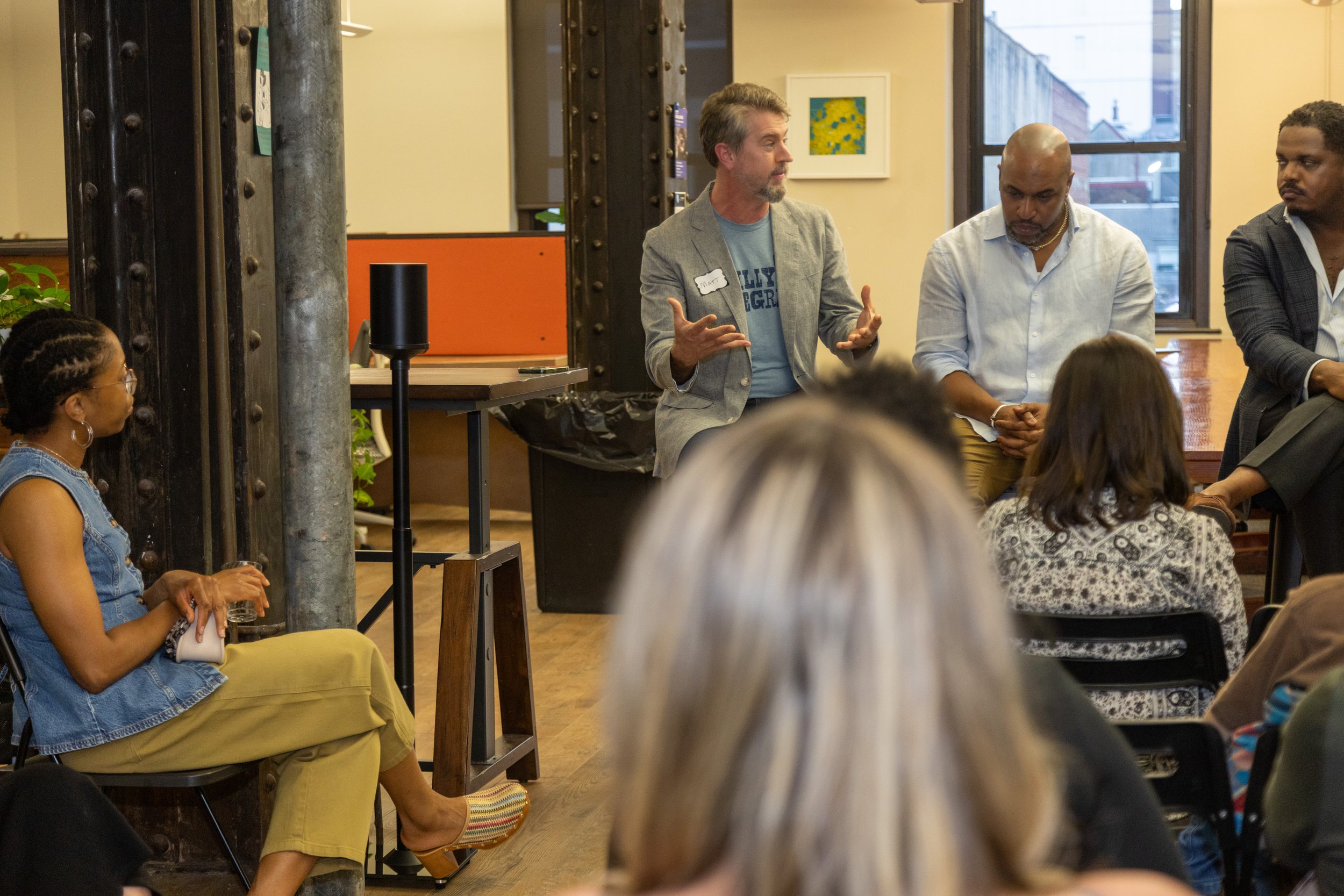
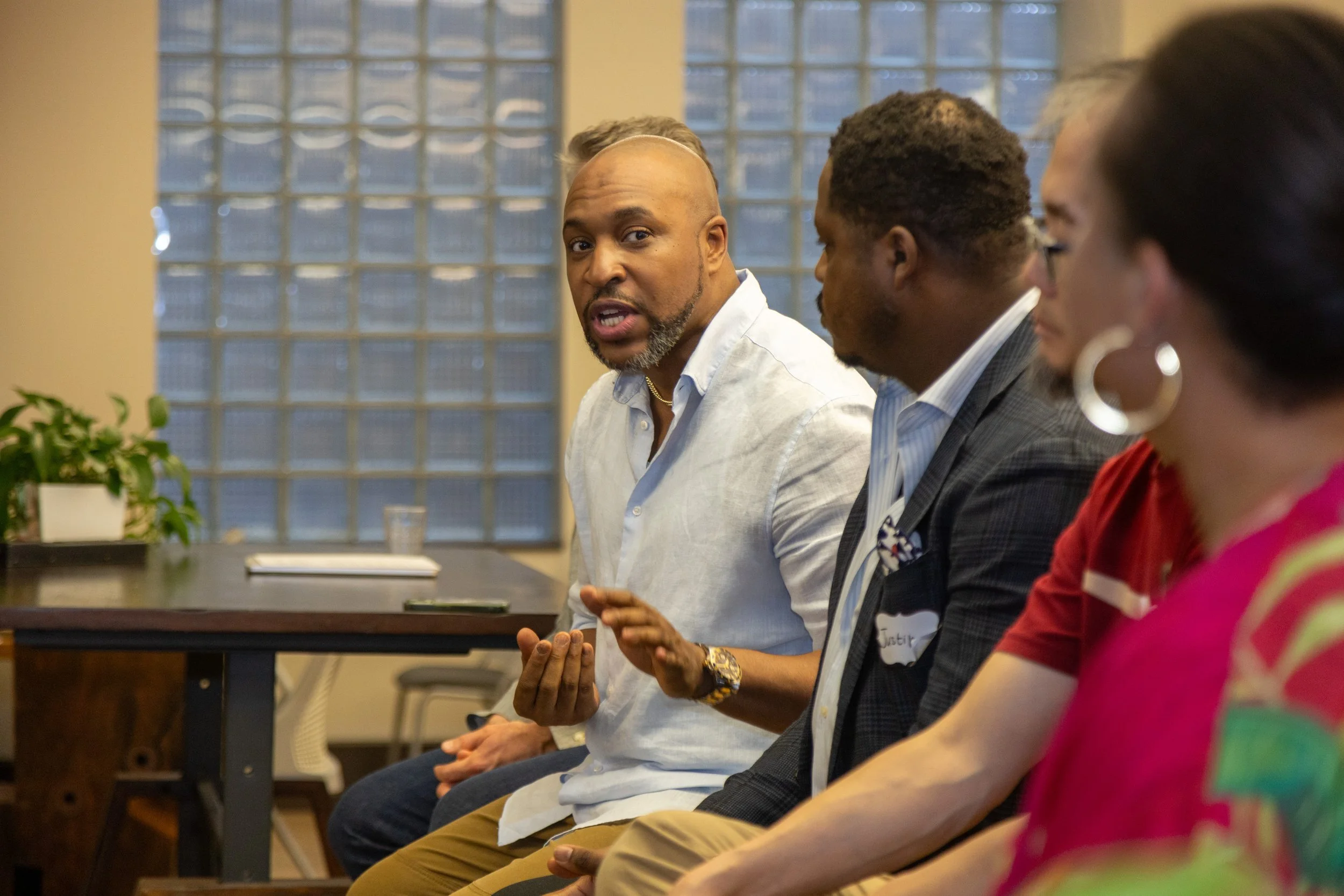
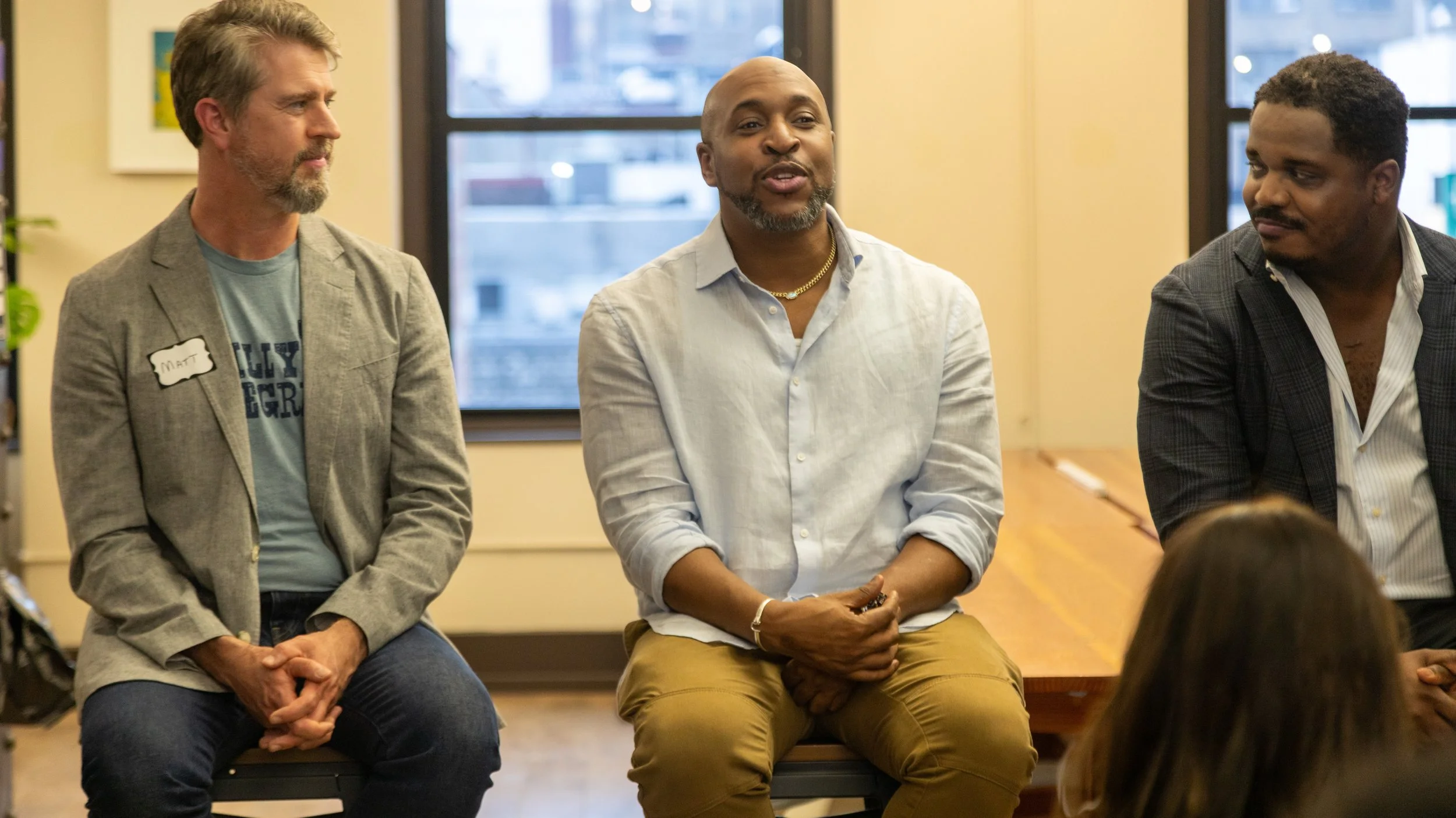
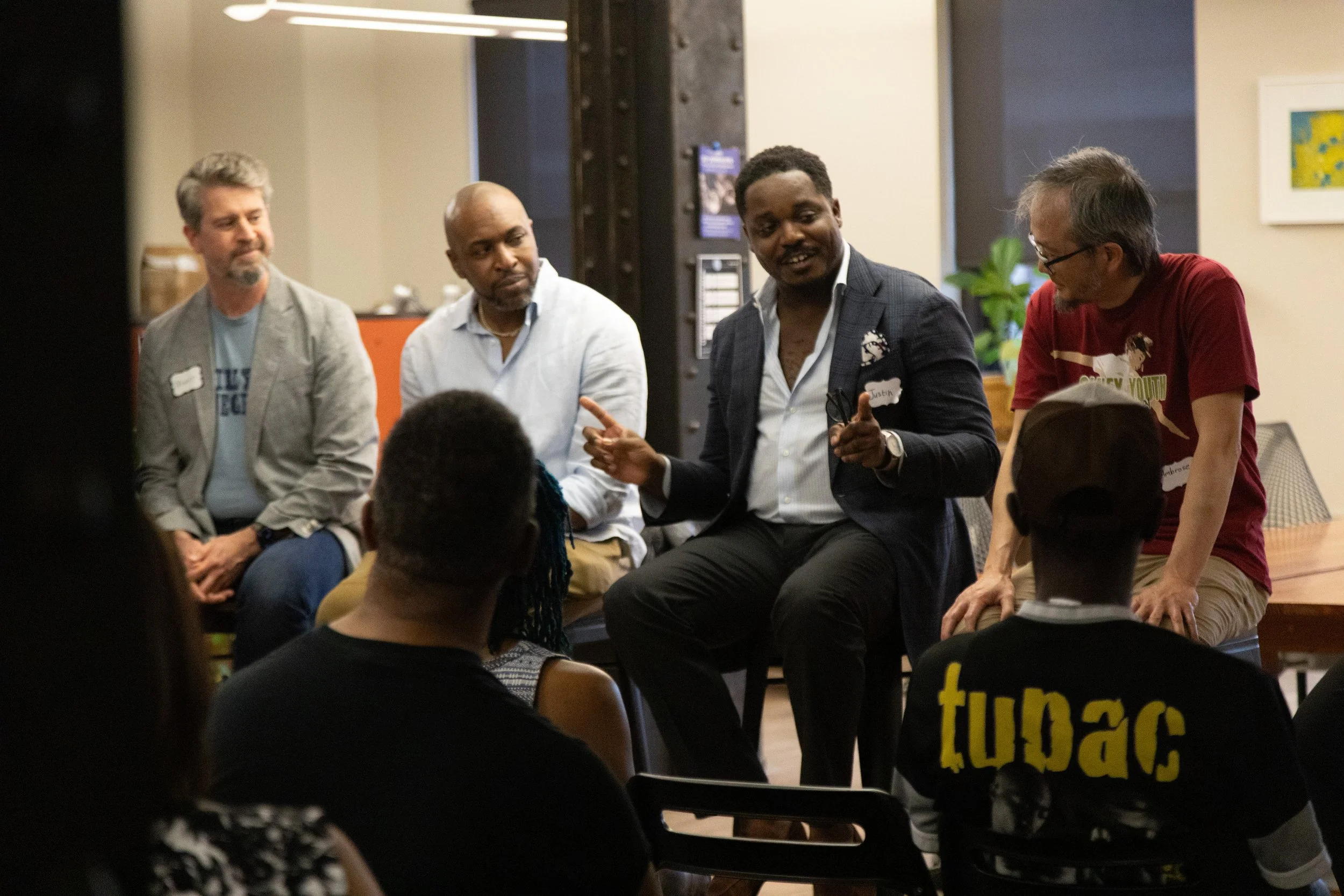
This gathering, produced in partnership with the Philadelphia Department of Commerce, created space to examine what it actually takes to build a thriving music economy from the ground up. Featured speakers were Justin Faulkner, Aaron Myers, Ambrose Liu, and Matt Royles. Each offered insight across performance, policy, neighborhood development, and community organizing.
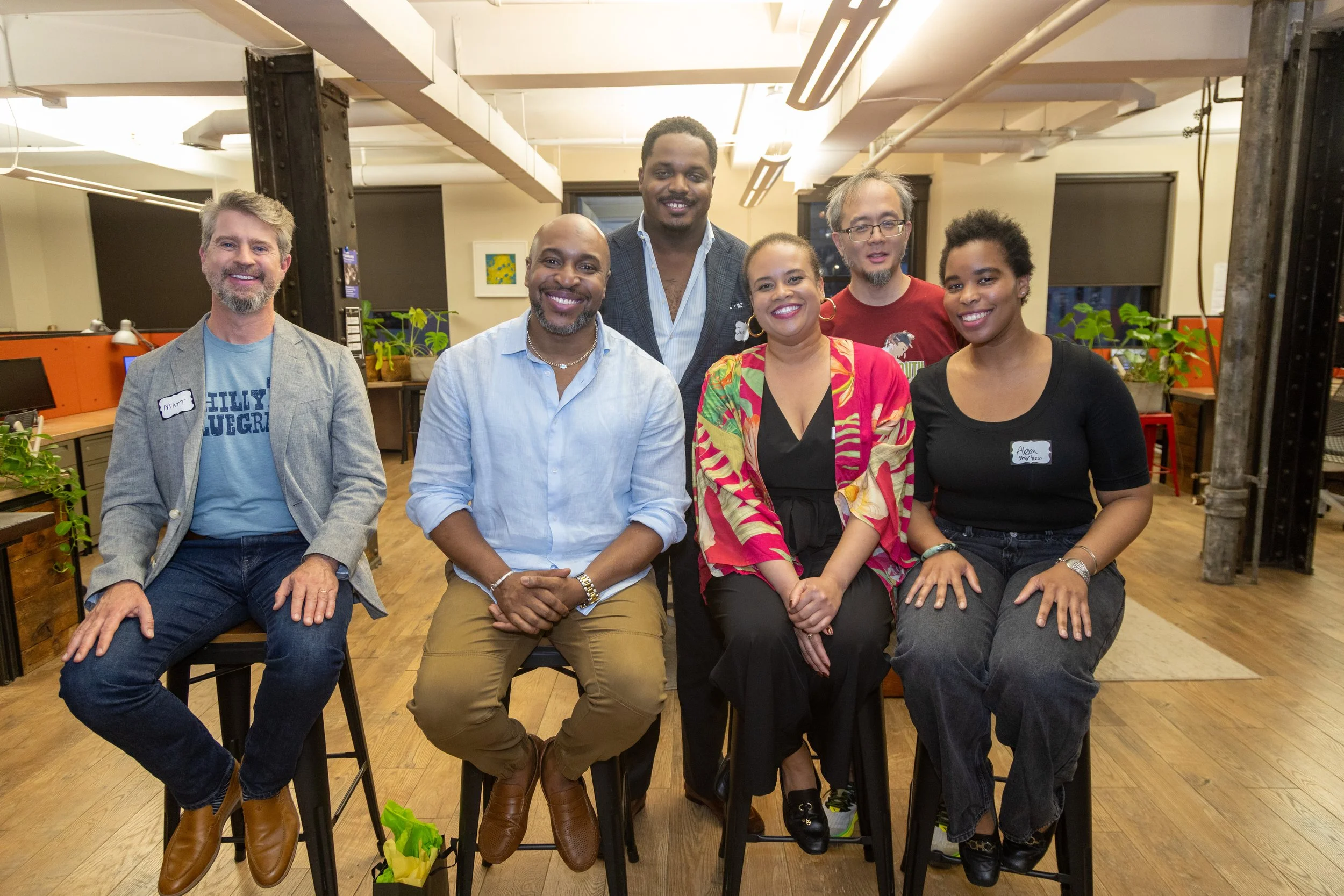
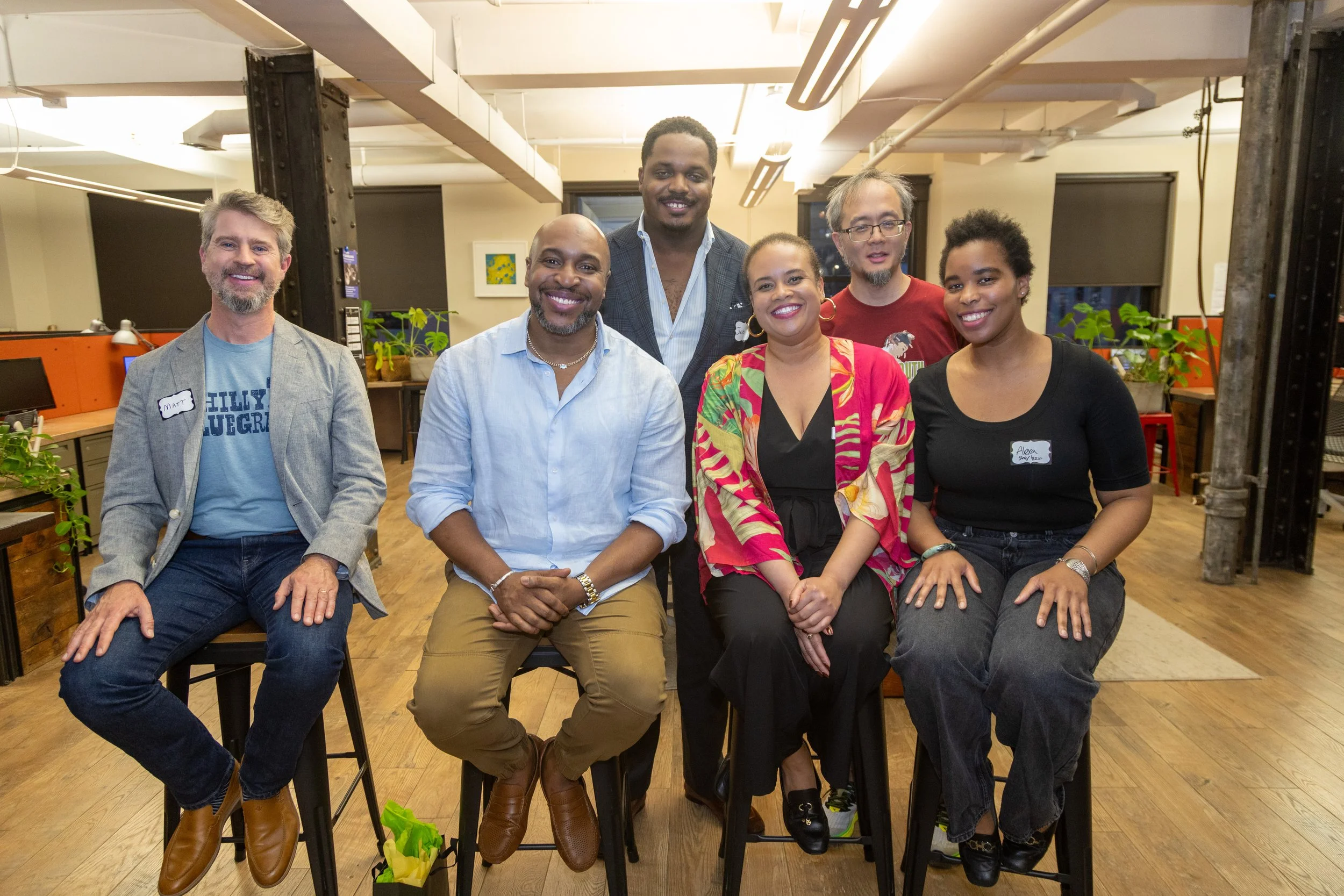
Back row, from left: Justin Faulkner, Ambrose Liu
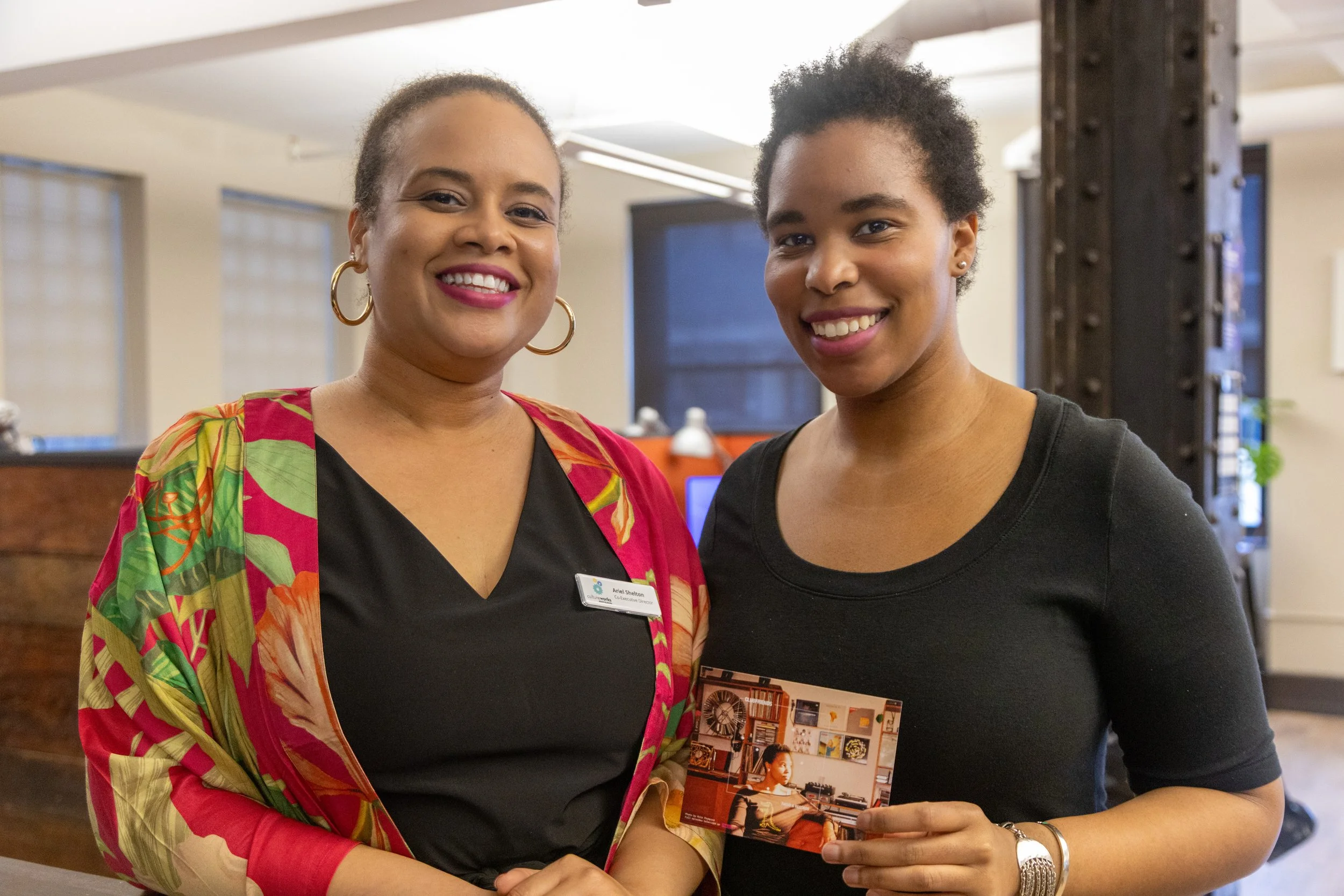
Front row, from left: Matt Royles, Aaron Myers, Ariel Shelton, Alexa Colas
Key Takeaways
Sustainability requires systems, not just talent.
Artists need consistent access to venues, fair pay, and long-term support—not just opportunities to perform.
Businesses want music, but often misunderstand it.
Live music can drive revenue and audience growth, but only when artists are supported with intention and aligned programming.
Policy and reality are still misaligned.
There remains a disconnect between how cities design support systems and how musicians actually live and work
From the Ground Up
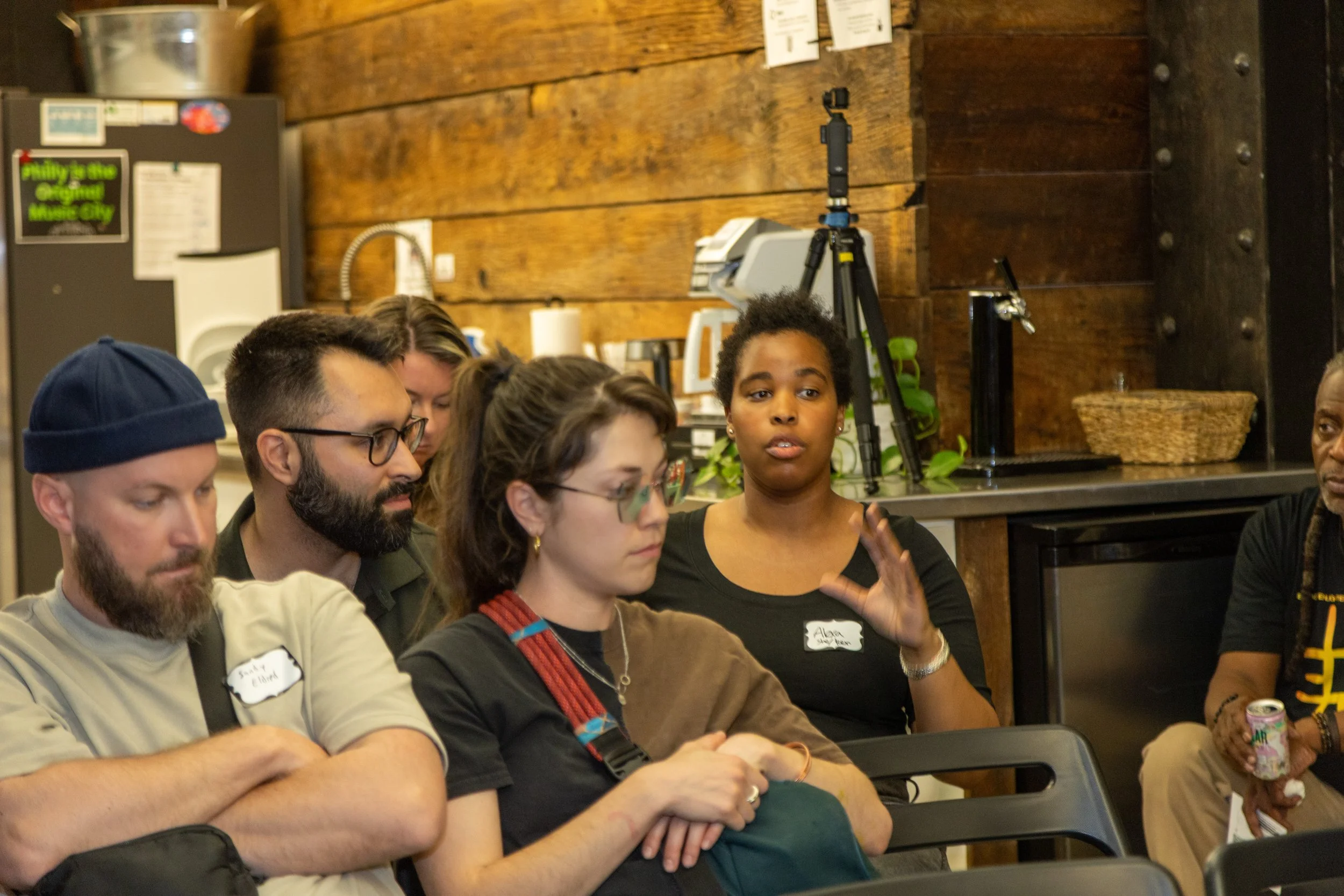
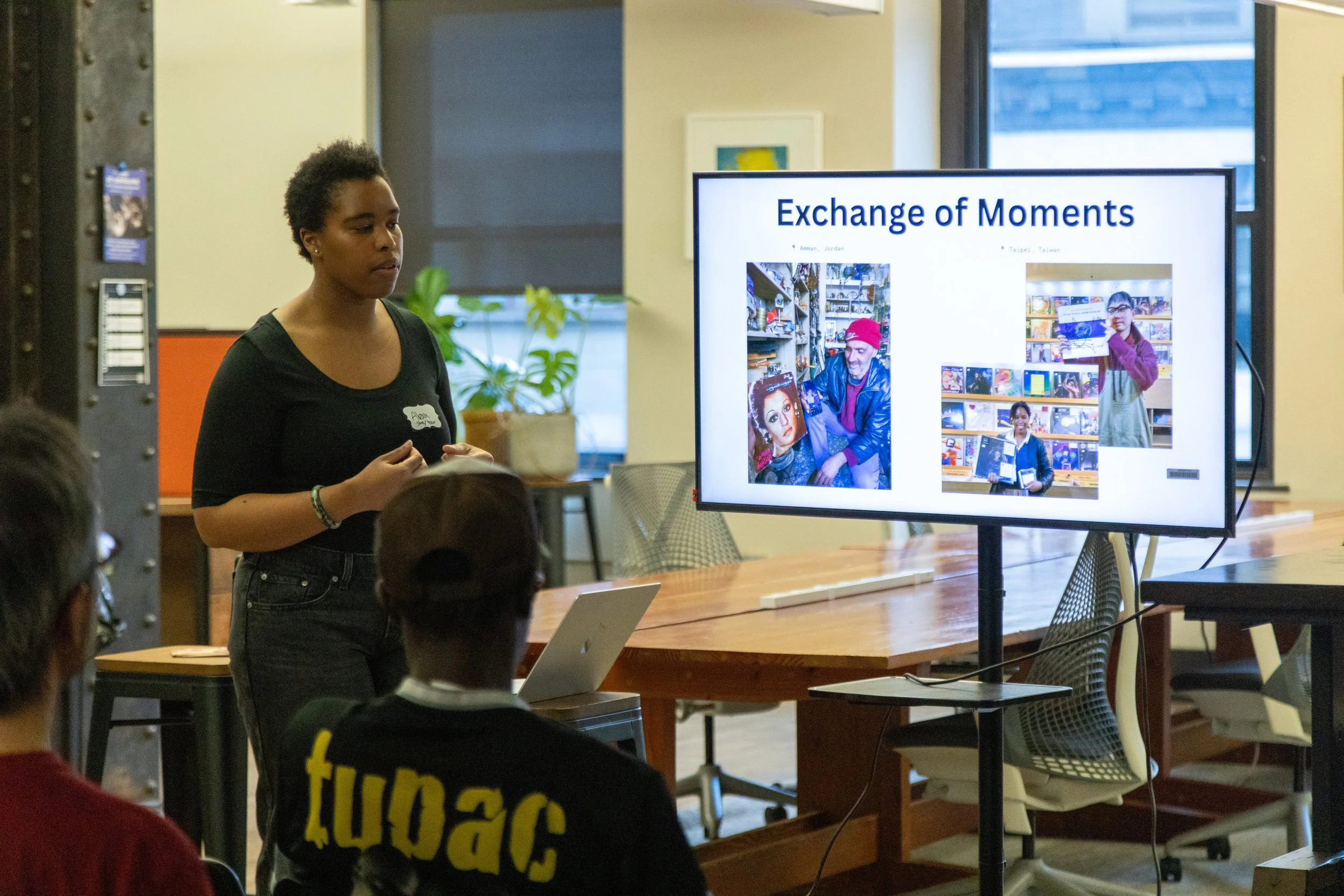
The evening opened with a case study from Alexa Colas of Clubfriends Radio & Records, a project that began in a living room and evolved into a hybrid space for listening, gathering, and identity-building.
Her work proves that music infrastructure doesn’t always begin with institutions—sometimes it begins with individual people creating spaces of belonging.
Learn more about Alexa’s work at Clubfriends Radio & Records, or reach out directly at yourclubfriend@gmail.com.
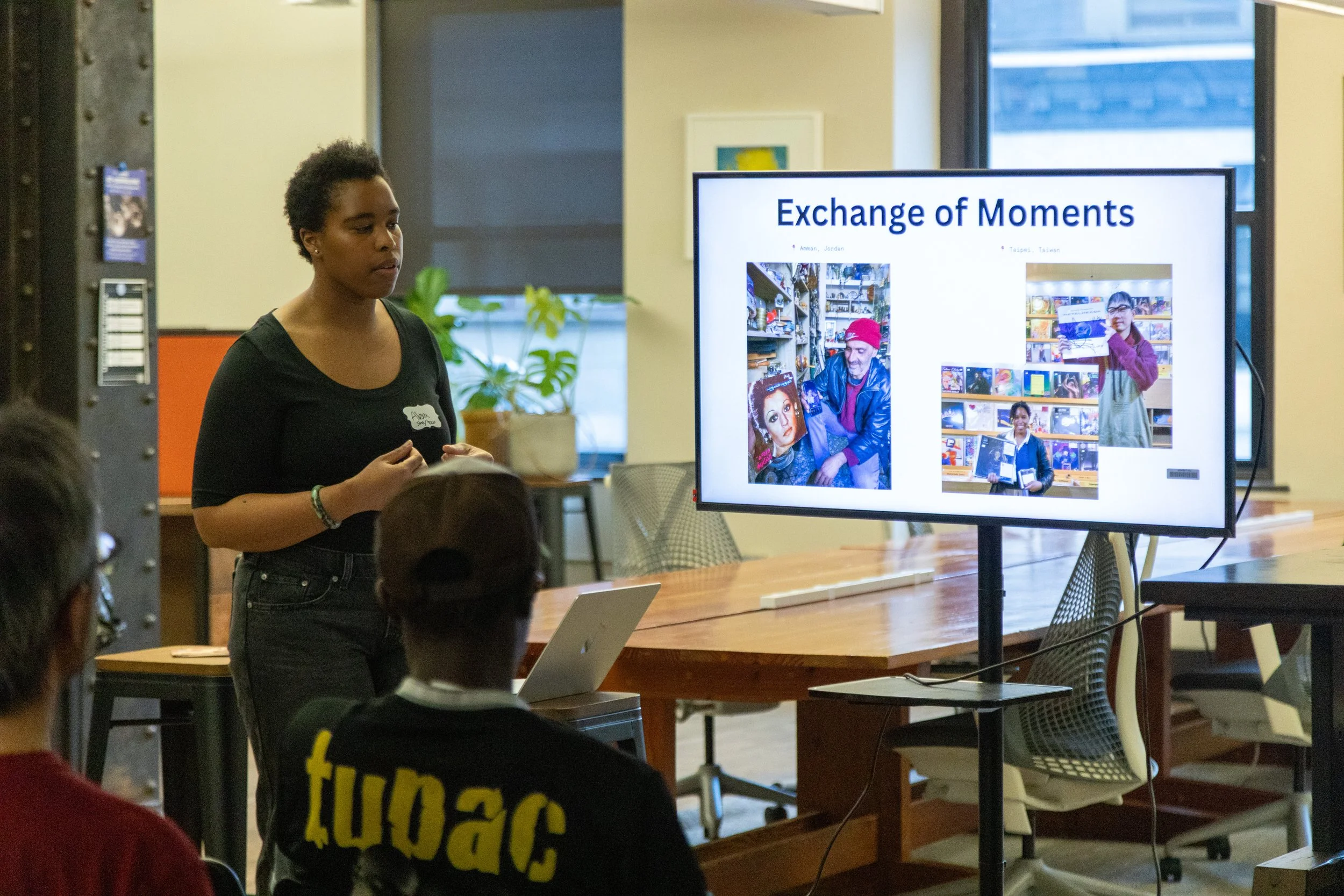
Alexa Colas
Ecosystem Builders
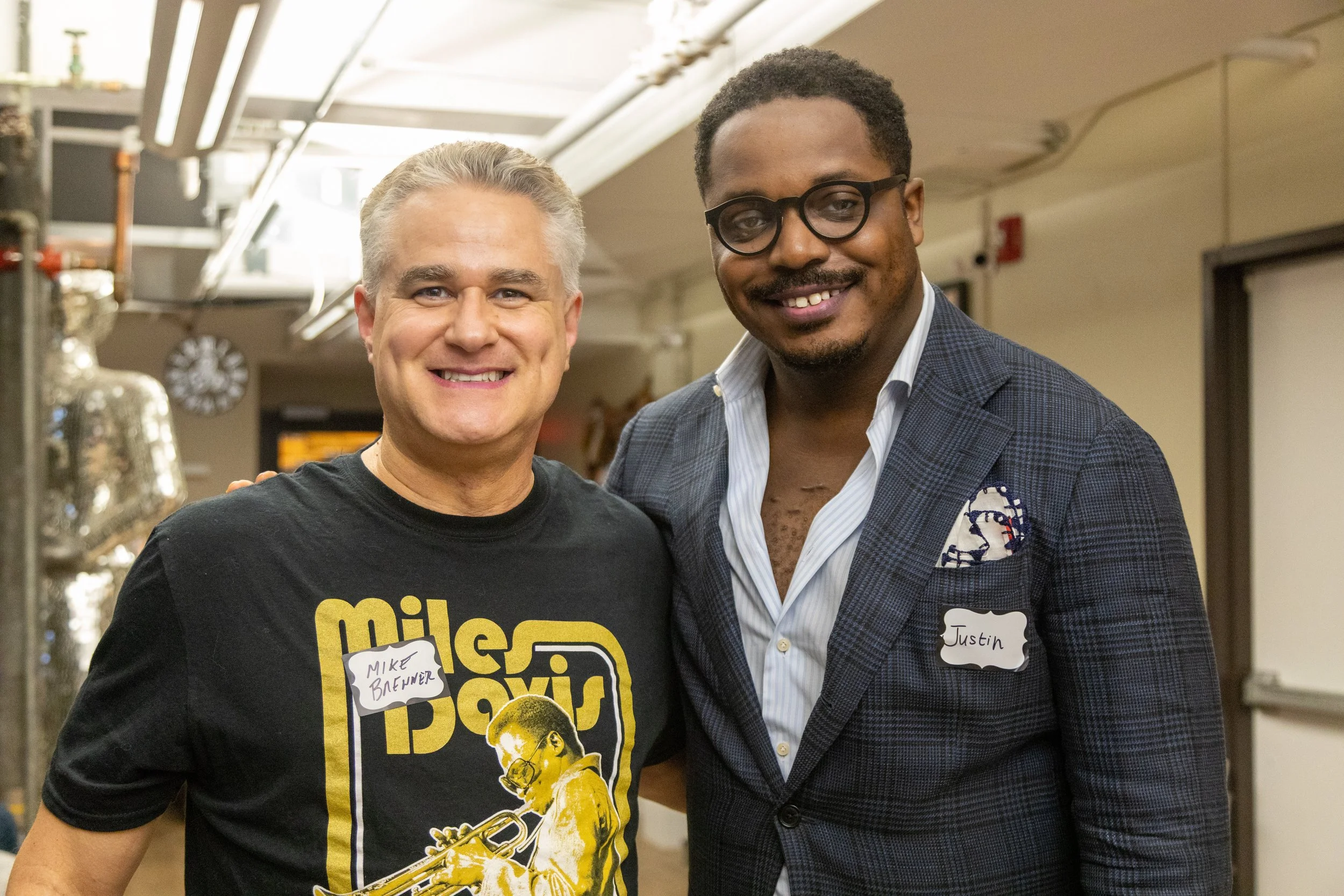
Artists like panelist Justin Faulkner don’t just perform—they build. Through initiatives like the Community Unity Music Festival and his ongoing educational and performance work, he embodies a critical shift: artists are not just participants in the ecosystem—they are architects of it.
IN REAL TIME
If April 16th’s event made one thing clear, it’s that Philadelphia’s music ecosystem isn’t hypothetical. It’s active. It’s distributed. And it’s already building itself in real time. Events like the ones below offer audiences a portal into the local music scene and business world.
Olney Culture Lab
Second Friday Open Mic + Community Dinner
May 8, June 12, July 10 | 7:00–9:00 PM
St. Paul’s Lutheran Church (5900 N 5th St)
A recurring, low-barrier gathering where anyone can perform, share, and connect.
Live @ Roots Garden
May 17 | 6:00–7:30 PM
Roots Garden, Fisher Park
Featuring trumpeter Daud El-Bakara and trio—bringing live performance into shared, communal space.
Philly Bluegrass
West Philly Bluegrass Jam
April 20 | 7:00–10:00 PM
Abyssinia Restaurant
Havertown Bluegrass Jam
April 21 | 7:00–9:00 PM
Kelly Center
Doylestown Bluegrass Jam
April 22 | 7:00–10:00 PM
Hilltown German Club
Philly MUSIC MONTH + BEYOND
Philly Music Month Kickoff
April 29 |5:00–7:30 PM
City Hall (Mayor’s Reception Room)
A citywide call to celebrate, activate, and invest in Philadelphia’s music identity.
Philadelphia Music Alliance Walk of Fame Gala
May 13, 2026 | 6:00 PM
Kimmel Center
Honoring icons like Yannick Nézet-Séguin, Lady B, Sun Ra Arkestra, and more—with proceeds supporting the preservation and future of Philadelphia’s music ecosystem.
Second Annual Business Summit and Expo
May 17–19, 2026
Founders’ Hall
This summit brings together entrepreneurs, industry leaders, and ecosystem partners, offering real-world tools, access to capital, and connections to resources that helps to support sustainable business growth.
What’s Next?
Join us on May 21 for a Third Thursday focused on the ecosystem that powers the city’s cultural economy, bringing together organizations that support artists, venue operators, and creative businesses.
Presented in collaboration with the Philadelphia Department of Commerce, this gathering is designed to help you access the tools, connections, and infrastructure needed to start or grow your work.
Interested in tabling at our next event? Contact Ariel at ashelton@cultureworksphila.org to get started.